Archaic Conceptualism — The Artistic Philosophy
Archaic Conceptualism is the artistic movement I founded to explore the connection between timeless forms and contemporary ideas. It reflects my belief that art can transform ordinary matter into something that expresses human experience beyond the visible world. As a contemporary artist and third-generation sculptor based in West Bloomfield, Michigan, I have developed Archaic Conceptualism throughout my career.. Throughout my career, I have developed Archaic Conceptualism as a personal artistic philosophy that connects physical form with imagination, emotion, and thought. This philosophy informs my sculpture, paintings, and stained glass artwork. It is not a separate artistic material or technique, but a way of understanding and creating art.
Where Timeless Forms Meet Contemporary Thought
What Is Archaic Conceptualism?
Archaic Conceptualism brings together two ideas that may initially appear different.
The word archaic refers to something ancient or primordial. In my artistic philosophy, it points toward enduring forms and experiences that connect human beings across generations.
Conceptualism emphasizes the role of ideas in artistic creation. By bringing these perspectives together, I explore how timeless human themes can be expressed through contemporary art.
The movement is not about reproducing ancient objects or following a particular historical style. It is about discovering how fundamental forms can communicate ideas relevant to modern life. I use this approach to investigate the relationship between what we can physically observe and what we experience through memory, imagination, and emotion.
Recognizing Ideas Beyond Literal Representation
The Meaning of Archetypal Forms in Art
An archetype is a recurring pattern, image, or idea that can carry meaning across different human experiences. In visual art, archetypal forms may suggest themes such as connection, transformation, struggle, or renewal.
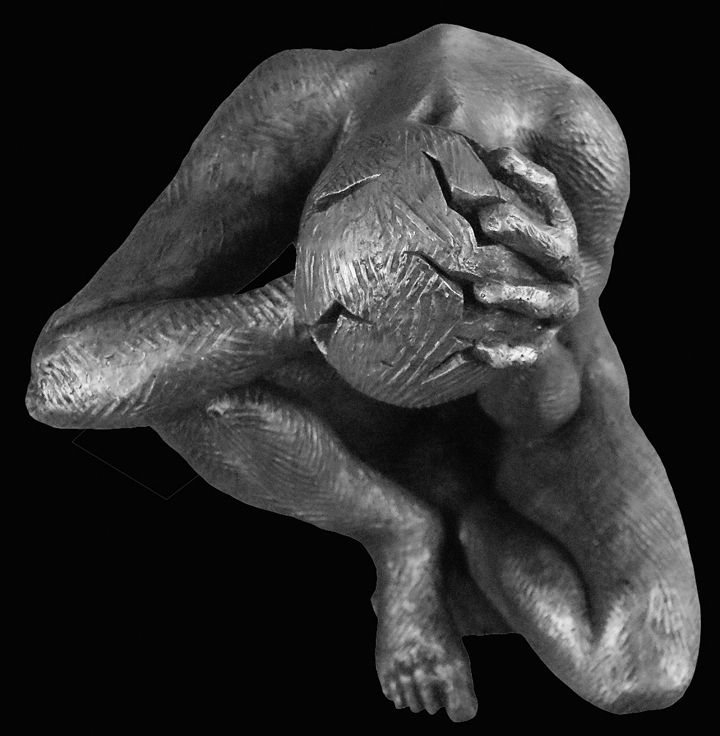
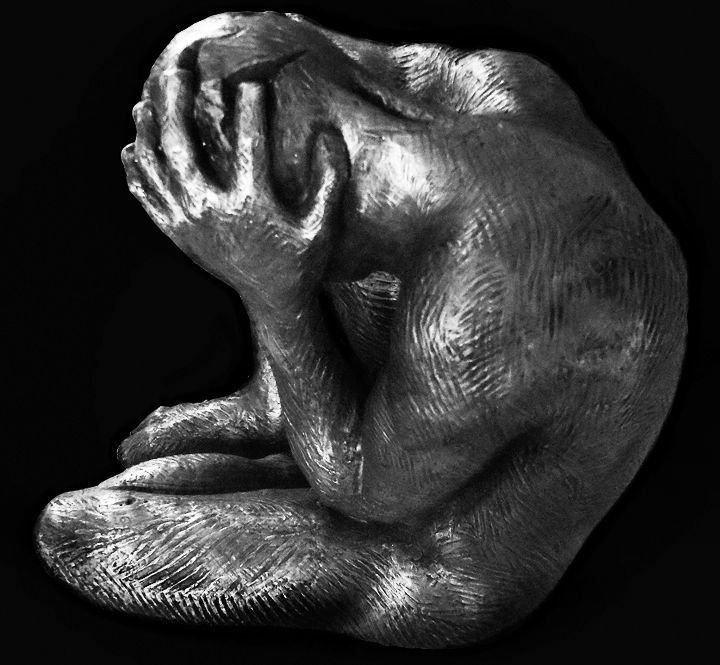
These meanings do not always depend on recognizable subjects. A sculptural form, for example, may evoke a human experience without depicting a specific person or event. This openness allows viewers to approach the work through their own perspectives.
Within Archaic Conceptualism, I am interested in how such forms can connect personal interpretation with broader human questions. The purpose is not to provide one fixed explanation. It is to create an artistic encounter that encourages thought and emotional response.
The movement is not about reproducing ancient objects or following a particular historical style. It is about discovering how fundamental forms can communicate ideas relevant to modern life. I use this approach to investigate the relationship between what we can physically observe and what we experience through memory, imagination, and emotion.
The Relationship Between the Tangible and Metaphysical
Transforming Physical Matter Into Artistic Meaning
One of the central ideas behind Archaic Conceptualism is transformation. Physical materials exist in the world as tangible matter. Through artistic creation, they can become forms that suggest experiences beyond their material properties.
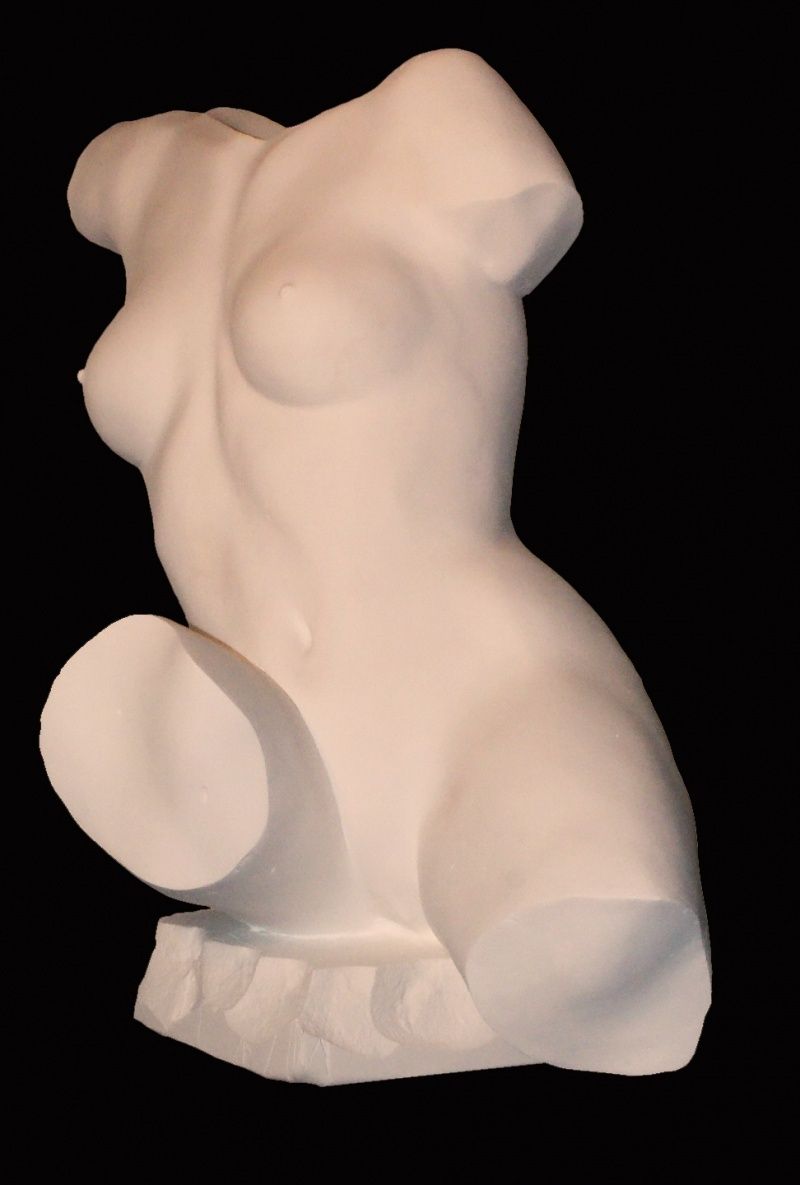
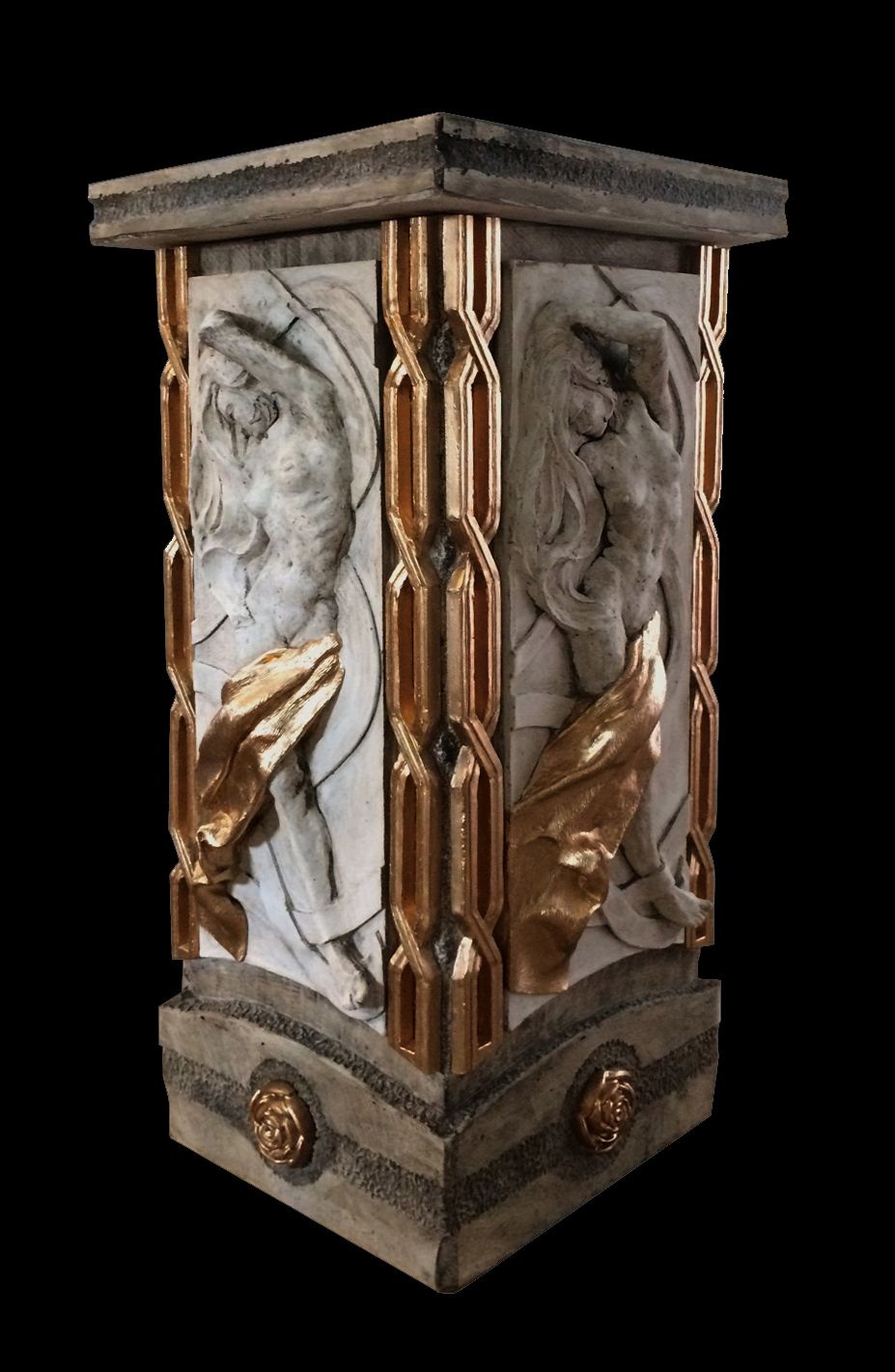
This relationship between the tangible and metaphysical is fundamental to my work. A sculpture has physical volume, yet its meaning can extend beyond its dimensions. A painting occupies a surface, yet its composition may suggest ideas that cannot be measured. Stained glass introduces another possibility through the interaction of material, color, and light.
I am interested in this passage from the ordinary to the extraordinary. Art allows me to investigate how matter can become a means of expressing dreams, emotions, and intellectual ideas.
Art That Responds to Its Surroundings
The Relationship Between Stained Glass and Architecture
Stained glass has a long relationship with architecture, but its artistic possibilities are not limited to historical buildings or traditional designs.
In contemporary interiors, stained glass can contribute to the character of a space through color, composition, and light. Its placement matters because the surrounding environment influences how the artwork is experienced.
For example, a location receiving natural light may produce changing visual effects throughout the day. A different setting may require careful consideration of artificial illumination. When considering stained glass for an interior, it helps to think about the available light, intended viewing position, and relationship with nearby architectural features.
These considerations are especially relevant to collectors, interior designers, and architects exploring original artwork for residential or commercial spaces.
A Foundation in Sculpture and Independent Thought
The Artistic Influences Behind My Philosophy
My artistic development began early in life. Born in the former Soviet Union, I grew up within a family of sculptors. My Armenian and Jewish heritage also forms part of my personal history. I held my first solo exhibition at the age of ten and continued my education through formal art training, eventually earning a Master of Fine Arts degree in 1992.
One of the most significant influences on my artistic development was Ernst Neizvestny, the internationally renowned sculptor who became my mentor. His artistic philosophy helped shape my understanding of creative independence and the expressive possibilities of sculpture.
Over time, I developed Archaic Conceptualism into my own artistic direction. Rather than adopting a fixed visual formula, I continue to refine this philosophy through the questions and ideas that emerge in my work.
One Philosophy, Different Forms of Expression
Archaic Conceptualism Across Artistic Mediums
Archaic Conceptualism informs my creative practice across several mediums.
Contemporary Sculpture
Sculpture allows me to investigate archetypal forms through physical volume and spatial relationships. It gives abstract ideas a tangible presence.
Contemporary Paintings
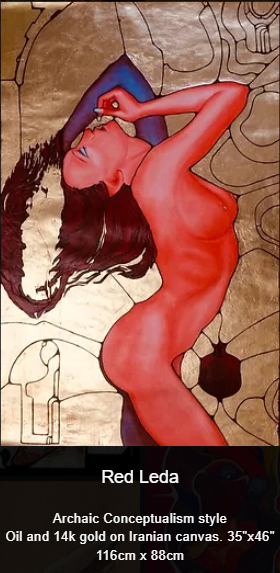
Painting provides another way to explore relationships between forms, composition, and interpretation. Ideas can emerge through visual arrangements within a two-dimensional surface.
Stained Glass Fine Art
Stained glass introduces light and color into the experience of form. Its changing appearance offers another way to consider transformation.
The movement is not about reproducing ancient objects or following a particular historical style. It is about discovering how fundamental forms can communicate ideas relevant to modern life. I use this approach to investigate the relationship between what we can physically observe and what we experience through memory, imagination, and emotion.
Finding Your Own Connection With the Work
Experiencing Archaic Conceptualism as a Viewer
You do not need formal art training to engage with Archaic Conceptualism. Begin by observing the artwork. Notice its forms, relationships, and overall visual presence.
Then consider what the work brings to mind. Does it suggest an emotion, a memory, or an idea? Does your interpretation change as you spend more time with it? These responses are part of the experience.
I do not expect every viewer to arrive at the same conclusion. The relationship between artwork and audience is personal. My intention is to create art that invites reflection rather than limits interpretation.
A custom art commission offers an opportunity to create something personal and distinctive. I work directly with collectors, interior designers, and architects to explore artistic concepts suited to their interests and intended spaces. Every commission begins with a conversation about your vision, creative preferences, and project requirements.
Commission Process & Information
Frequently Asked Questions About Archaic Conceptualism
Who founded Archaic Conceptualism?
I founded Archaic Conceptualism and have continued developing its artistic principles throughout my career.
Is Archaic Conceptualism an art style or a medium?
It is an artistic movement and philosophy, not a physical medium. It guides my approach to sculpture, painting, and stained glass.
Does Archaic Conceptualism reproduce ancient art?
No. It draws on the idea of timeless, archetypal forms while exploring contemporary thought. Its purpose is not to recreate historical objects.
How is Archaic Conceptualism connected to contemporary sculpture?
Sculpture allows me to explore its principles through physical form, volume, and the transformation of material into artistic expression.
Where can I explore artwork influenced by this philosophy?
Visit my Art Collections and Available Artwork pages to discover my creative practice. You can also contact me about individual works that interest you.
Discover the Art of Archaic Conceptualism
Archaic Conceptualism continues to shape my exploration of physical form, human experience, and artistic meaning. Through sculpture, painting, and stained glass, I seek to connect enduring ideas with contemporary expression. I invite you to explore my artwork and discover your own relationship with the forms and ideas behind it.
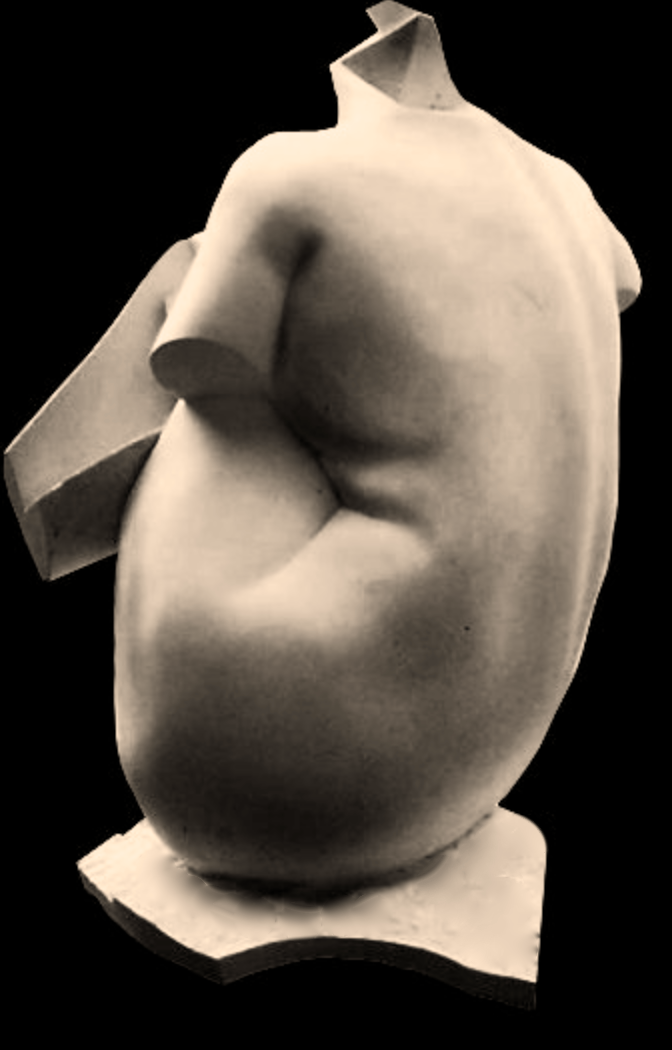
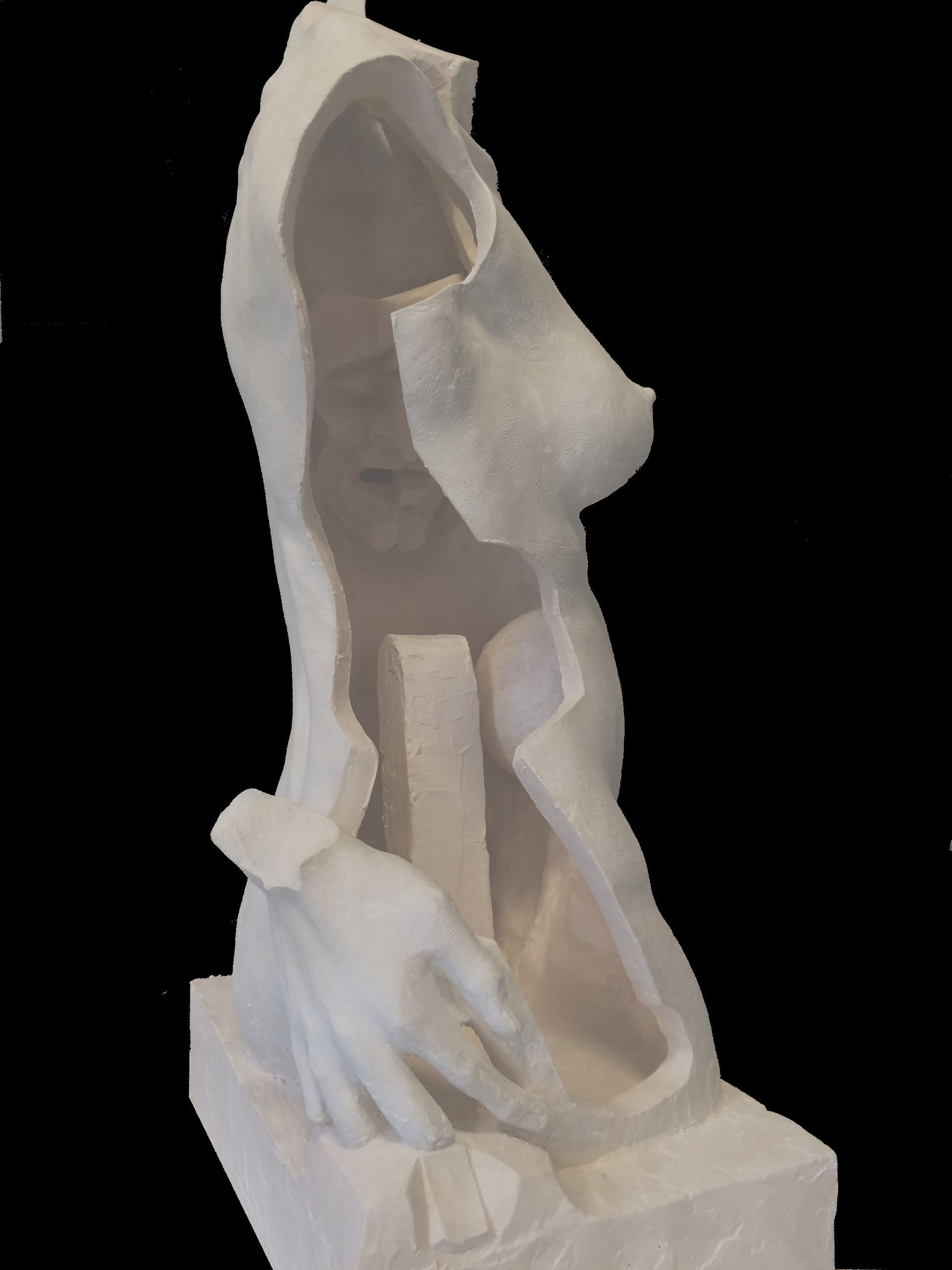
White Torso. Over life size. Cast stone. Private collection, Canada