Custom Art Commission Process by Vardan Art Studio
Understanding the custom art commission process can help you approach an original artwork with confidence. Whether you are considering contemporary sculpture or stained glass, the first step is a conversation about your ideas. As a third-generation sculptor and founder of Archaic Conceptualism at Vardan Art Studio in West Bloomfield, Michigan, I welcome custom sculpture and stained glass inquiries, I welcome custom sculpture and stained glass inquiries from private collectors, homeowners, interior designers, and architects. Every commission begins with an individual artistic concept. This guide explains what to consider, how to prepare for a consultation, and which questions are worth discussing before a project moves forward.
How the Process Works
Begin With an Idea, Not a Finished Design
Step 1: Share Your Artistic Vision
You do not need a complete design to inquire about a commission. Your starting point might be an emotion, a meaningful subject, a preferred artistic medium, or a space where you hope to display the artwork.
Tell me what attracts you to my work and what you would like the commission to express. You may also share images or descriptions that help communicate your interests.
These references provide context for our discussion. They do not require the finished artwork to reproduce another piece or follow a predetermined style. My approach is rooted in Archaic Conceptualism, which explores connections between timeless forms and contemporary ideas.
Consider Space, Scale, and Viewing Conditions
Step 2: Discuss the Artwork's Intended Setting
An artwork's intended location can influence the commission conversation. For sculpture, useful considerations include approximate dimensions, available space, viewing angles, and surrounding architectural features.
For stained glass, lighting conditions, placement, transparency, and the relationship between the artwork and its environment may be especially relevant.
You can share photographs, measurements, or project drawings when available. These details help us understand the setting without deciding the artistic direction in advance. If your project involves architectural integration, structural requirements, or specialized installation, appropriate technical professionals may need to assess those aspects.
Bringing Your Ideas and My Artistic Approach Together
Step 3: Explore the Creative Direction
A custom commission is a collaboration, but it also reflects the artist's independent creative identity. During our discussion, we can explore the themes, forms, and visual qualities relevant to your inquiry.
My role is to consider those ideas through the artistic language I have developed throughout my career. I do not treat commissions as reproductions of existing designs.
Instead, I seek opportunities to create original artwork that connects your interests with my exploration of physical form, imagination, and meaning. The creative direction must be considered individually before any project commitments are established.
Discuss Scope, Budget, and Practical Considerations
Step 4: Clarify the Project Requirements
Once the artistic goals are clearer, practical questions become important. The requirements of a sculpture commission may differ substantially from those of stained glass. Project discussions may address:
- Artistic scope: The general concept and intended character of the work.
- Dimensions: Approximate scale and relevant spatial limitations.
- Materials: Considerations appropriate to the proposed artwork.
- Budget: Your anticipated investment and the project's requirements.
- Timing: Any dates or scheduling considerations that may affect planning.
- Display needs: Relevant lighting, placement, or environmental conditions.
- Technical responsibilities: Any specialized assessments or installation considerations.
These topics help determine what additional information is needed. Pricing, production arrangements, and other project terms should be confirmed for the individual commission rather than assumed in advance.
Establish a Clear Understanding Before Proceeding
Step 5: Confirm the Next Steps
After the initial discussions, the next step depends on the proposed artwork and its requirements. A sculpture intended for a private collection may involve different considerations from stained glass planned for an architectural setting.
Before proceeding, it is important to clarify the artistic scope and any agreed project arrangements. Questions about cost, scheduling, materials, approvals, and other responsibilities should be addressed directly. I welcome thoughtful discussions that allow both the artistic vision and practical expectations to be understood.
A Simple Guide for Collectors and Design Professionals
How to Prepare for Your First Consultation
You can begin with a brief message describing the artwork you have in mind. If available, include the intended location, approximate dimensions, and relevant photographs.
For interior designers and architects, floor plans or visual references may help explain the design context. Private collectors may prefer to begin with a personal idea or an interest in a particular artistic form. Both approaches are welcome.
The purpose of the initial consultation is to explore whether the proposed project aligns with my artistic practice and identify the information needed for further discussion.
A custom art commission offers an opportunity to create something personal and distinctive. I work directly with collectors, interior designers, and architects to explore artistic concepts suited to their interests and intended spaces. Every commission begins with a conversation about your vision, creative preferences, and project requirements.
Commission Process & Information
Frequently Asked Questions About Art Commissions
How do I commission original artwork from Vardan?
Contact me with a description of your interests and the type of artwork you are considering. We can begin by discussing your artistic vision and project requirements.
What types of artwork can I commission?
I welcome custom contemporary sculpture and stained glass commissions. You can also explore completed sculptures, paintings, and stained glass through my available artwork.
Do I need a specific design before contacting you?
No. An idea, description, or visual reference is enough to begin a conversation.
How much does a custom art commission cost?
Pricing depends on the individual artwork and its requirements. Scale, materials, artistic scope, and other project considerations may affect the cost.
How long does a commission take?
The timeframe depends on the nature and requirements of the proposed artwork. Scheduling should be discussed and confirmed for the individual project.
Can I request changes during the commission?
Questions about concept development, feedback, and approvals should be clarified as part of the project's agreed arrangements. These details may vary between commissions.
Do you arrange shipping or installation?
Shipping, delivery, and installation responsibilities should be discussed for the individual project. Specialized installation or structural requirements may require qualified professionals.
Can interior designers and architects collaborate with you?
Yes. I welcome inquiries from design professionals interested in original sculpture and stained glass for residential and commercial interiors.
Begin Your Custom Art Commission
A meaningful commission starts with a clear conversation about artistic ideas and practical expectations. Whether you are interested in sculpture or stained glass, I invite you to share your vision and explore the possibilities.
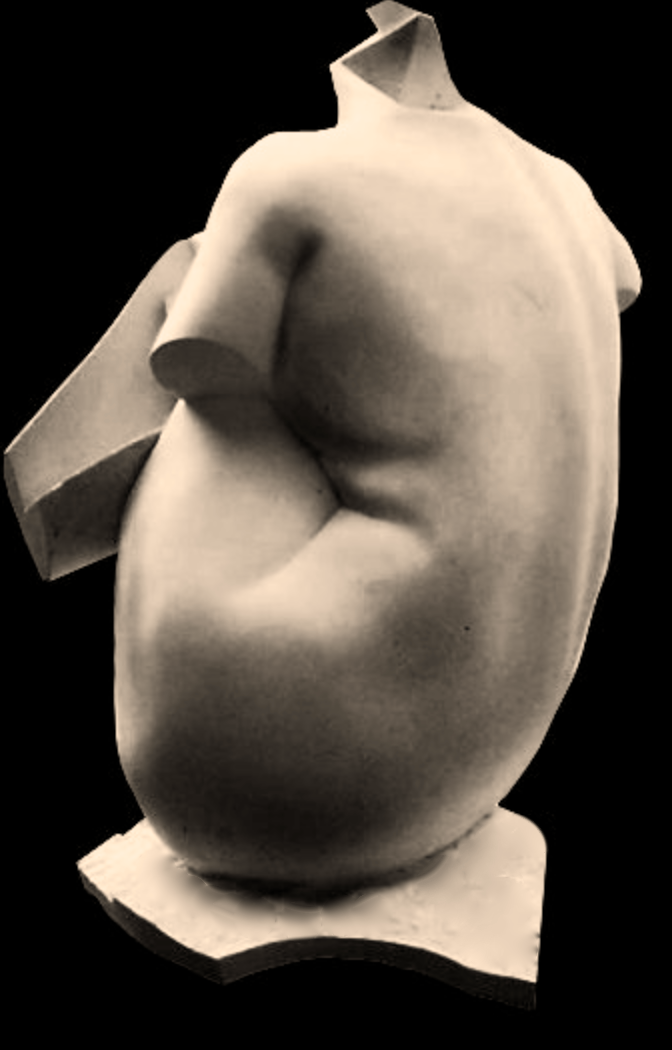
White Torso. Over life size. Cast stone. Private collection, Canada