Art for Interior Designers & Architects
Original art for interior designers and architects can bring a distinctive creative perspective to residential and commercial spaces. Sculpture and stained glass offer opportunities to connect artistic expression with architectural form, light, and spatial design. As a contemporary artist, third-generation sculptor, and founder of Archaic Conceptualism through Vardan Art Studio in West Bloomfield, Michigan, I welcome collaboration with design professionals. Through Vardan Art Studio, I welcome collaboration with design professionals interested in original artwork and custom commissions. My practice focuses on contemporary sculpture, paintings, and stained glass fine art, developed through a conversation about the artistic vision and intended setting.
Considering Artwork as Part of the Spatial Experience
Integrating Original Fine Art Into Interior Design
Fine art can contribute more than a decorative finishing touch. A sculpture introduces physical volume and changing viewing angles. Stained glass interacts with light and may influence how a space is experienced throughout the day.
These qualities make both mediums relevant to architectural and interior design planning.
When considering original artwork, it helps to evaluate how the piece relates to the surrounding environment. Scale, circulation, sightlines, lighting, and visual balance can influence its placement. I approach these discussions from an artistic perspective, seeking opportunities for the work to maintain its individual identity while contributing to the overall design concept.
Form, Proportion, and Movement
Contemporary Sculpture for Designed Spaces
Sculpture creates a relationship between the artwork and the people moving around it. Its proportions may influence whether it becomes a prominent focal point or a quieter presence within a room.
For design professionals, viewing angles are particularly important. A sculpture positioned within an open area may be experienced from several directions. A work placed near a wall may create a more concentrated visual composition.
The intended setting can also influence discussions about scale and display. When exploring an existing sculpture or a custom commission, useful project information includes approximate dimensions, photographs, and relevant floor plans. These details help establish the context for an artistic conversation.
The movement is not about reproducing ancient objects or following a particular historical style. It is about discovering how fundamental forms can communicate ideas relevant to modern life. I use this approach to investigate the relationship between what we can physically observe and what we experience through memory, imagination, and emotion.
Exploring Color, Transparency, and Placement
Stained Glass and Architectural Light
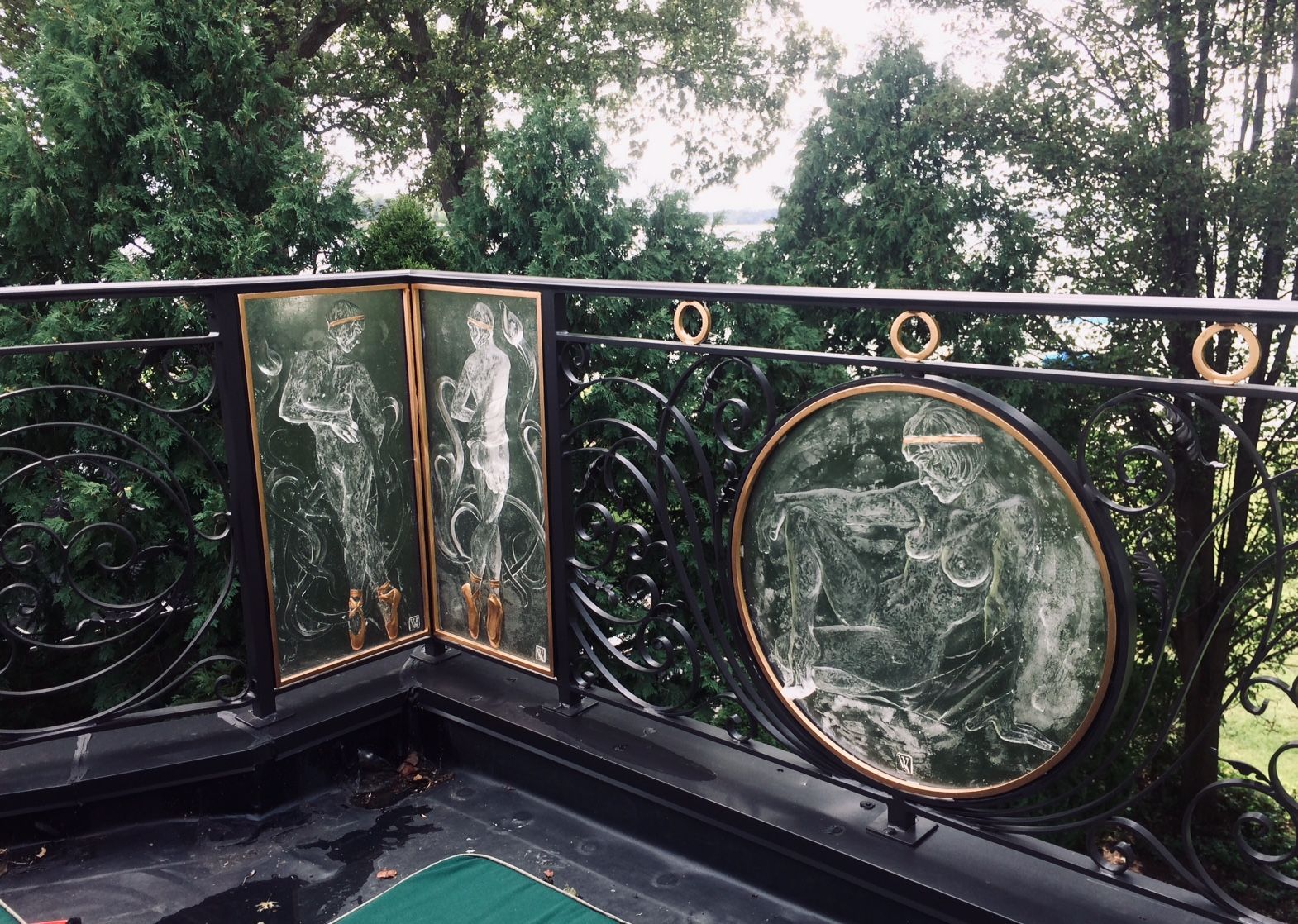
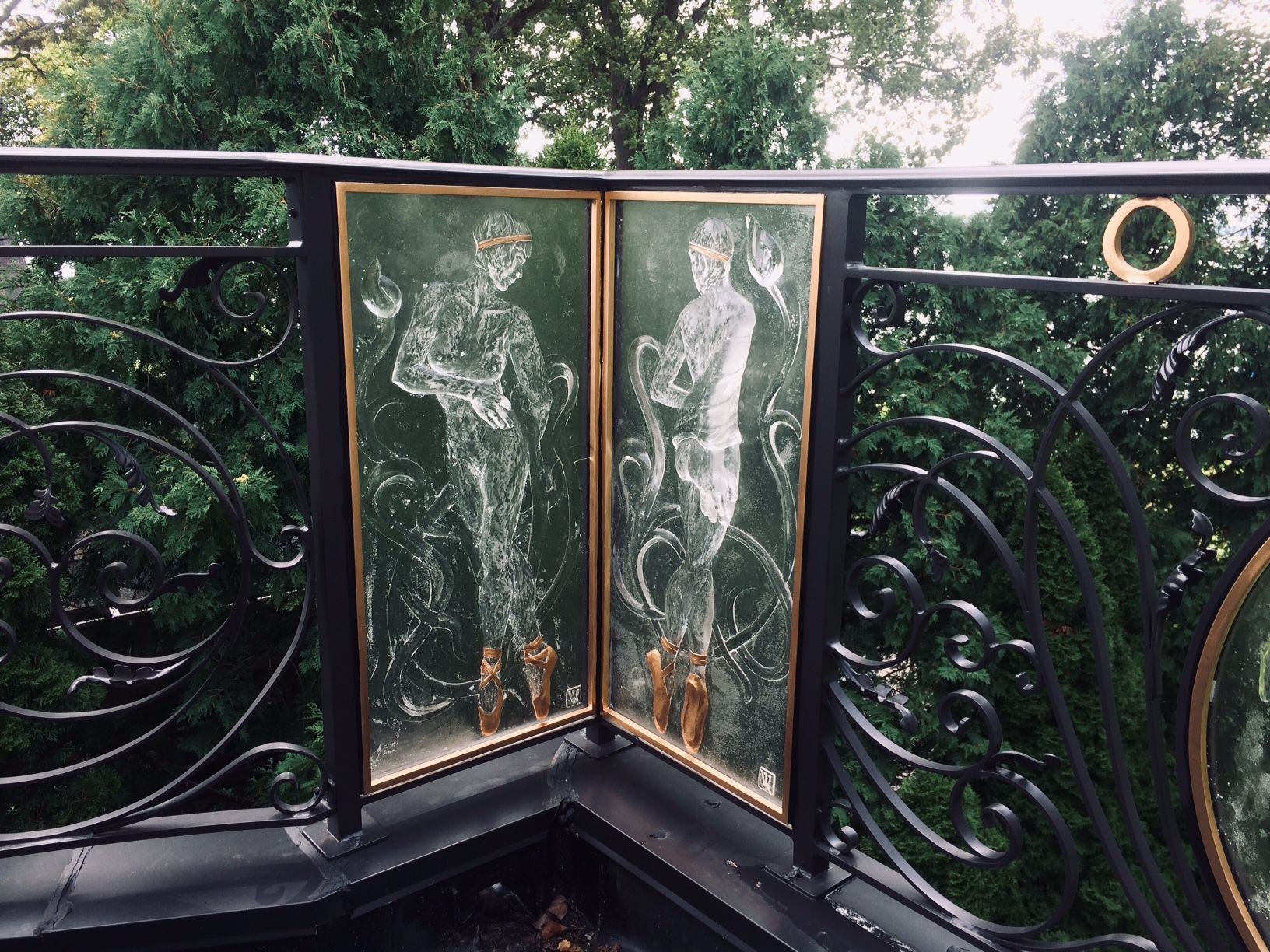
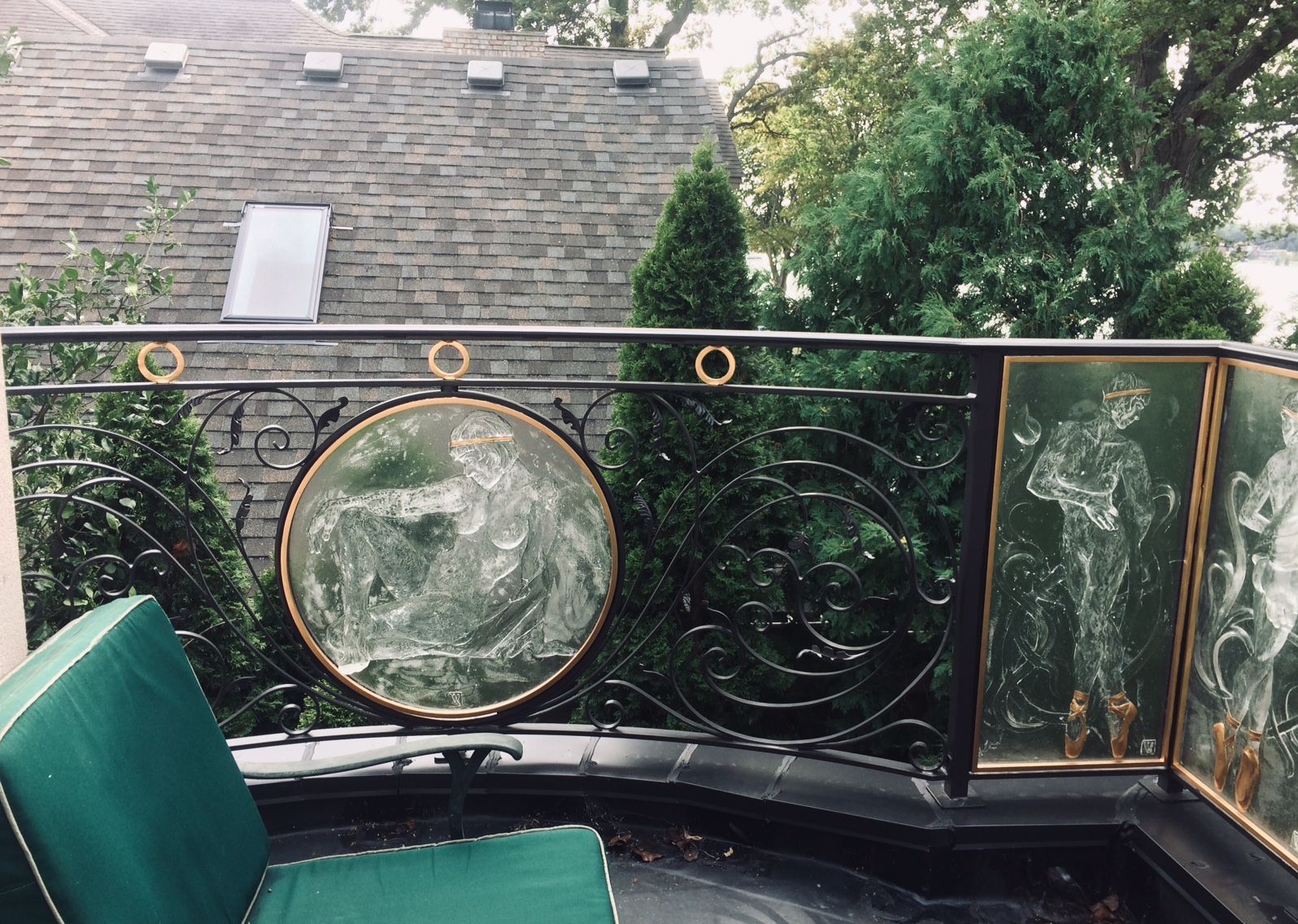
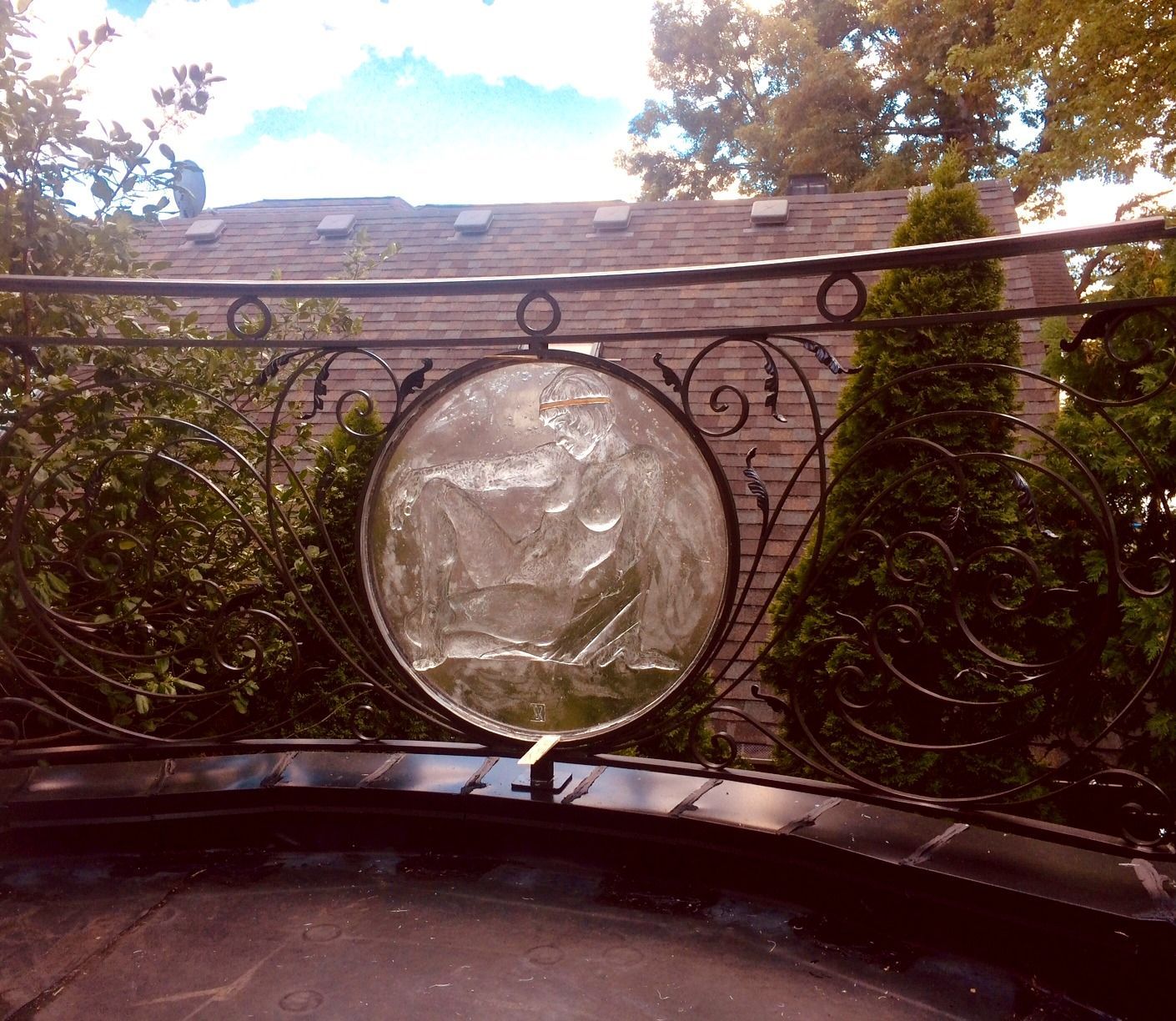
Stained glass offers a different opportunity for artistic integration. Because its appearance can depend on transmitted light, the surrounding lighting conditions deserve early consideration.
A composition receiving natural daylight may change in appearance as the day progresses. The relationship between color, transparency, and opacity can also influence the experience of a space. For architectural projects, it is useful to consider the intended location, viewing direction, approximate dimensions, and any privacy objectives.
These factors can inform the artistic discussion without dictating a fixed visual formula. Projects involving structural glazing or building integration require appropriate technical assessment by qualified professionals.
Choosing the Right Approach for a Design Project
Selecting Existing Artwork or Commissioning New Art
An existing artwork offers a completed artistic statement. Design professionals can evaluate its visual character, dimensions, and relationship with the proposed setting before deciding whether it suits the project.
A custom commission begins differently. It allows an artistic concept to be discussed in relation to a particular space, design direction, or client interest. Commissioning may be appropriate when an existing work does not address the project's artistic or spatial goals.
Both approaches require attention to the artwork's independent character. I welcome inquiries about available pieces as well as discussions about custom sculpture and stained glass.
Negative Space
Areas surrounding the main forms that contribute to the overall composition.
Information That Supports a Productive Consultation
Preparing for an Artist–Designer Collaboration
Clear communication helps establish the relationship between an artwork and a design project. Before contacting me, consider gathering the information most relevant to your inquiry.
Project Type
Residential, commercial, or another interior environment.
Artistic Goals
The ideas or visual qualities you hope to explore.
Location
Where the artwork may be displayed or integrated.
Dimensions
Approximate measurements and available space.
Visual References
Photographs, drawings, or design concepts.
Lighting Conditions
Natural and artificial light affecting the location.
Project Parameters
Budget and scheduling considerations, when known.
A Distinctive Creative Perspective
Artistic Independence and Archaic Conceptualism
My work is informed by Archaic Conceptualism, the artistic movement I founded to explore relationships between timeless archetypal forms and contemporary ideas. This philosophy guides my approach to physical form, imagination, and artistic meaning.
For design professionals, understanding an artist's philosophy can help establish whether the work aligns with a project's creative direction. I do not approach commissions as the reproduction of a predetermined decorative style.
Instead, I welcome a dialogue that respects both the client's interests and my independent artistic practice. The aim is to explore an original concept with a meaningful relationship to its intended environment.
A custom art commission offers an opportunity to create something personal and distinctive. I work directly with collectors, interior designers, and architects to explore artistic concepts suited to their interests and intended spaces. Every commission begins with a conversation about your vision, creative preferences, and project requirements.
Commission Process & Information
Frequently Asked Questions for Interior Designers & Architects
Do you collaborate with interior designers and architects?
Yes. I welcome inquiries from design professionals interested in original sculpture, stained glass, and custom artwork for residential or commercial projects.
Can artwork be considered during the design planning stage?
Yes. Early discussions can help identify relevant artistic goals, dimensions, lighting conditions, and spatial considerations.
Can I request artwork for a specific location?
Yes. I welcome custom sculpture and stained glass inquiries involving particular settings. The artistic and practical requirements can be discussed during a consultation.
Do you offer existing artwork as well as commissions?
Yes. You can inquire about available sculpture, paintings, and stained glass or discuss a new sculpture or stained glass commission.
Who handles technical installation requirements?
Any structural, building-code, or specialized installation requirements should be assessed by appropriately qualified professionals. Responsibilities can be clarified for the individual project.
Collaborate With Vardan Art Studio
Original fine art can contribute a distinctive artistic presence to an interior when considered alongside its architectural context. Whether you are sourcing existing artwork or exploring a custom commission, I welcome the opportunity to discuss your project.
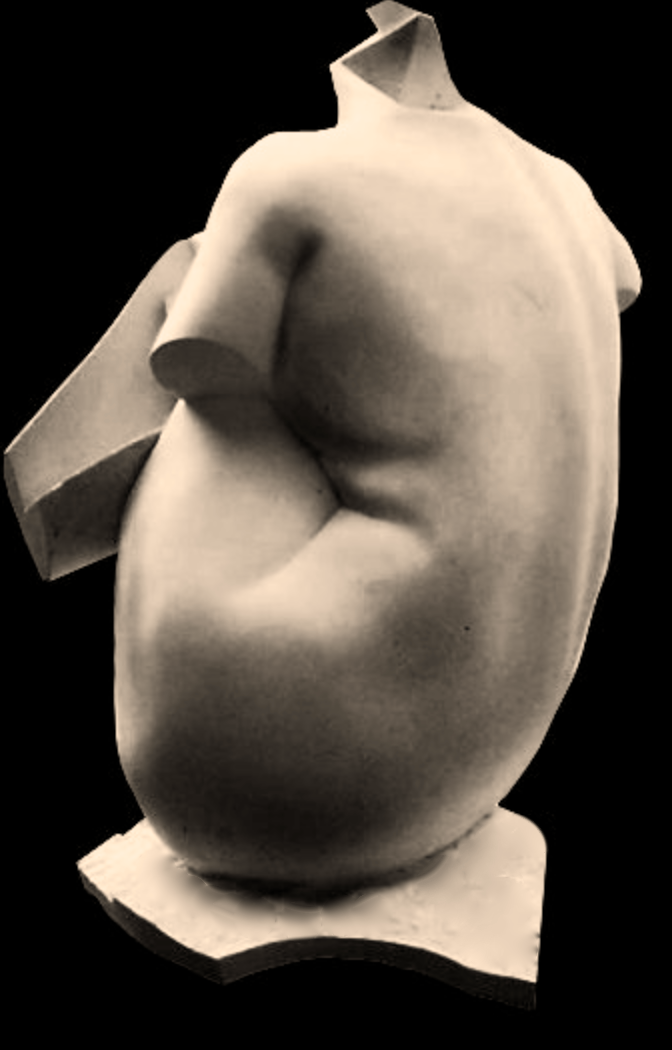
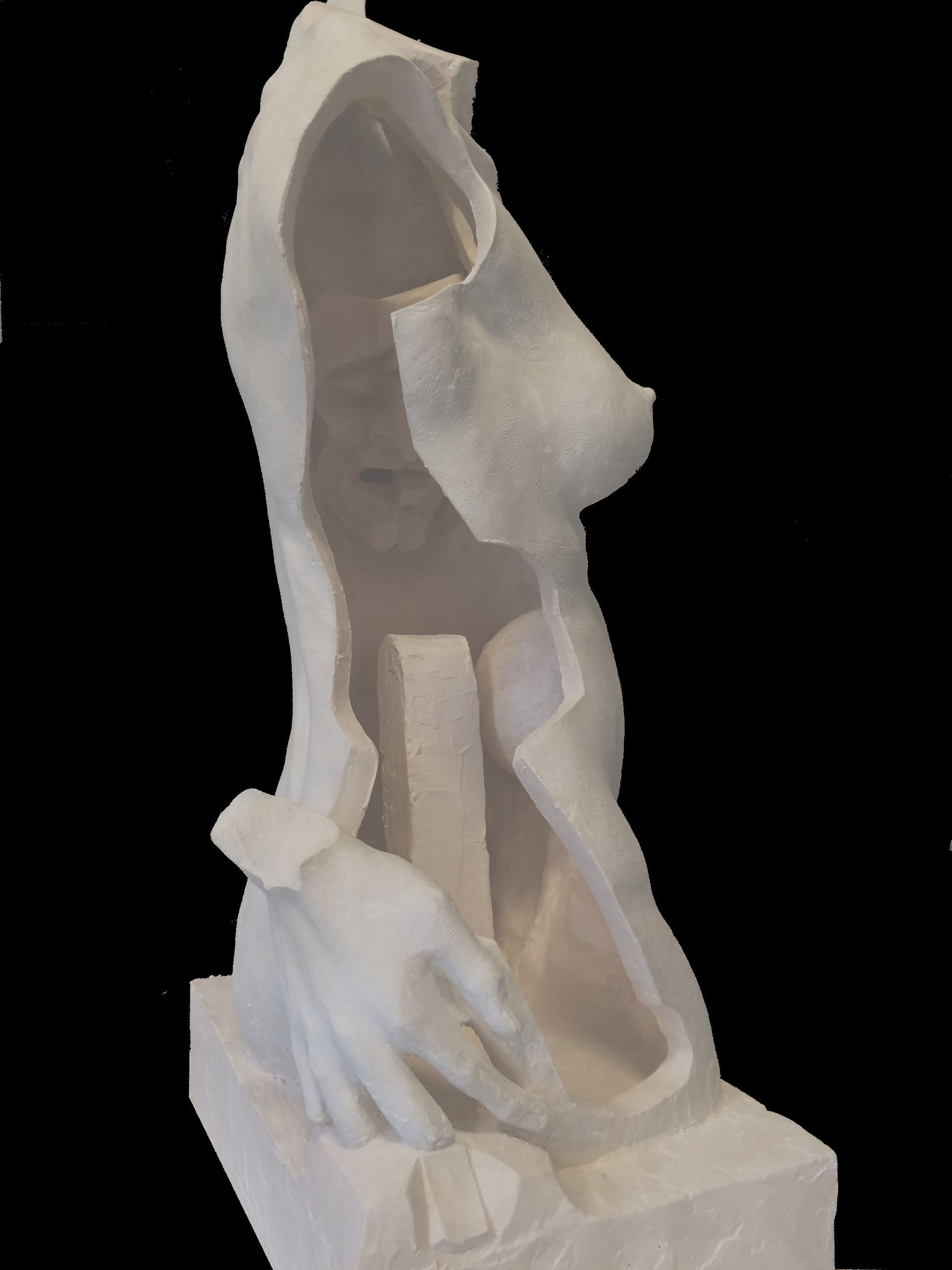
White Torso. Over life size. Cast stone. Private collection, Canada