Sculptural Art for Interiors
Sculptural art for interiors introduces a three-dimensional artistic presence into residential and commercial spaces. Unlike artwork displayed on a wall, sculpture interacts with the surrounding environment through its form, proportions, and viewing angles. As a contemporary sculptor and founder of Archaic Conceptualism through Vardan Art Studio in West Bloomfield, Michigan, I create original sculptural art. Through Vardan Art Studio in West Bloomfield, Michigan, I create original sculptural art and welcome custom commission inquiries from private collectors, homeowners, interior designers, and architects. My approach considers sculpture as an independent work of fine art that can also contribute to the character of an interior.
Creating a Distinctive Artistic Presence
The Role of Sculpture in Interior Design
Sculpture offers an experience that differs from paintings and other wall-mounted artwork.
Its physical volume allows viewers to encounter it from different positions. As they move through a room, its appearance may change. This relationship between artwork and movement makes sculpture particularly relevant to interior design.
A sculpture can become a visual focal point or contribute a quieter artistic presence, depending on its form and placement. For me, its purpose extends beyond decoration. I explore how sculptural forms communicate emotions, ideas, and relationships that cannot always be expressed through words.
When introduced thoughtfully, original sculpture can add artistic depth to an interior without losing its independent identity.
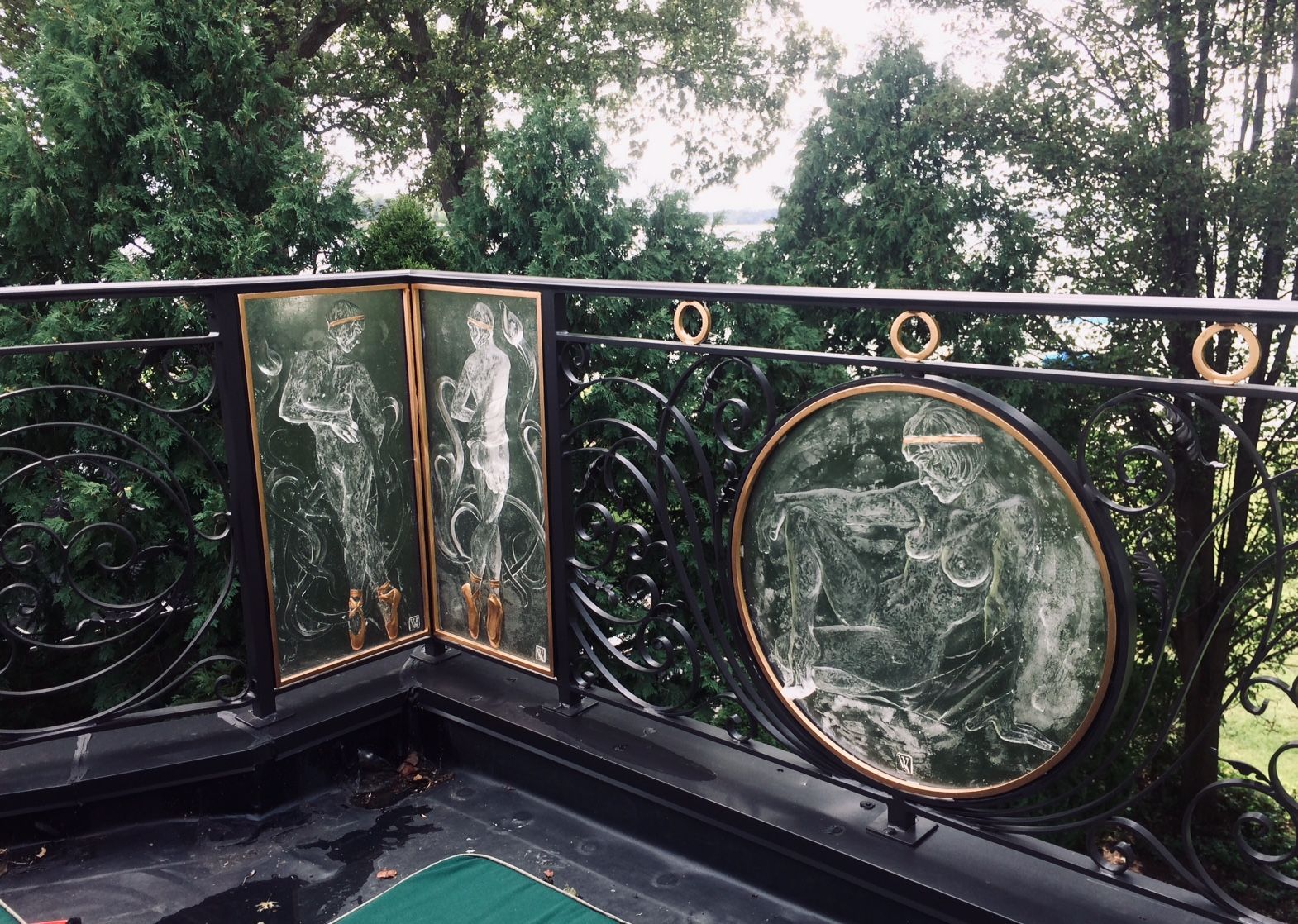
I established Vardan Art Studio in 1986. Since then, I have continued developing my artistic practice while remaining committed to originality and personal expression.
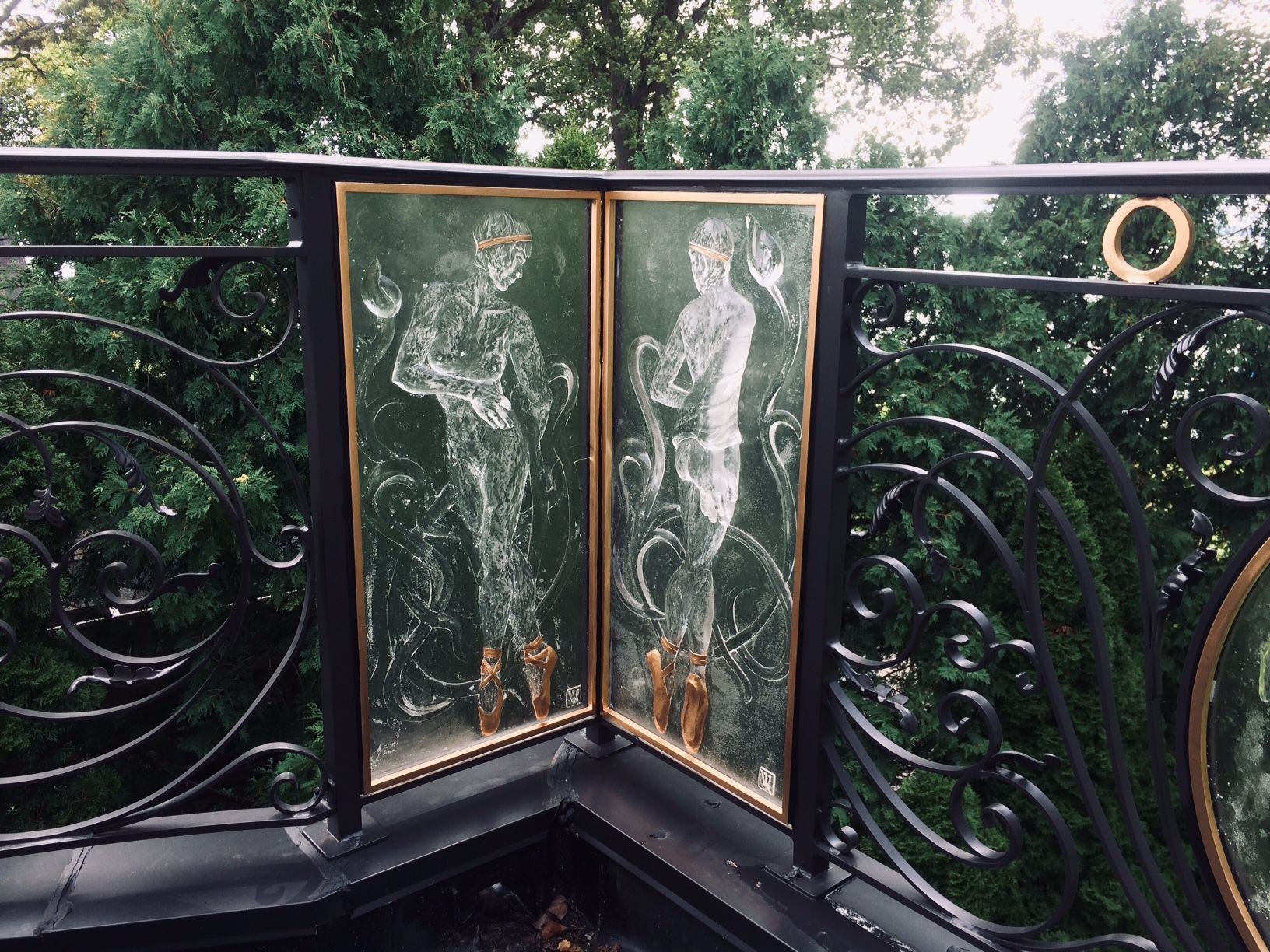
Understanding the Relationship Between Art and Space
Choosing the Right Scale and Proportion
Scale is one of the first considerations when selecting sculpture for an interior. A work that appears substantial in one setting may feel very different in another.
Ceiling height, floor area, surrounding furnishings, and viewing distance all influence how its proportions are experienced. A smaller sculpture may invite close observation on an appropriate display surface. A larger work may establish a stronger presence within an open area.
Neither approach is automatically better. The important question is how the sculpture relates to the intended environment.
When discussing artwork for an interior, photographs and approximate dimensions of the space can help establish a useful starting point.
These considerations help connect artistic appreciation with thoughtful spatial planning.
How Viewers Experience Sculpture Within a Room
Placement, Sightlines, and Spatial Flow
The position of a sculpture affects how people encounter it. A piece placed near an entrance may create an immediate visual impression. Another position within a living area may be experienced gradually as people move through the space.
Sightlines also matter. Consider whether the artwork will be viewed primarily from one direction or whether visitors can appreciate several sides. For interiors with frequent movement, circulation space should remain a practical consideration. A sculpture should not interfere with necessary pathways or create avoidable obstacles.
When planning its location, consider:
Viewing Angles
Which sides of the sculpture will be visible.
Circulation
How people move around the artwork.
Proportions
The relationship between the sculpture and nearby furnishings.
Visual Balance
How the work contributes to the overall composition of the room.
Display Conditions
Whether the location is suitable for the individual artwork.
Revealing Form Through Light and Shadow
Lighting and the Visual Character of Sculpture
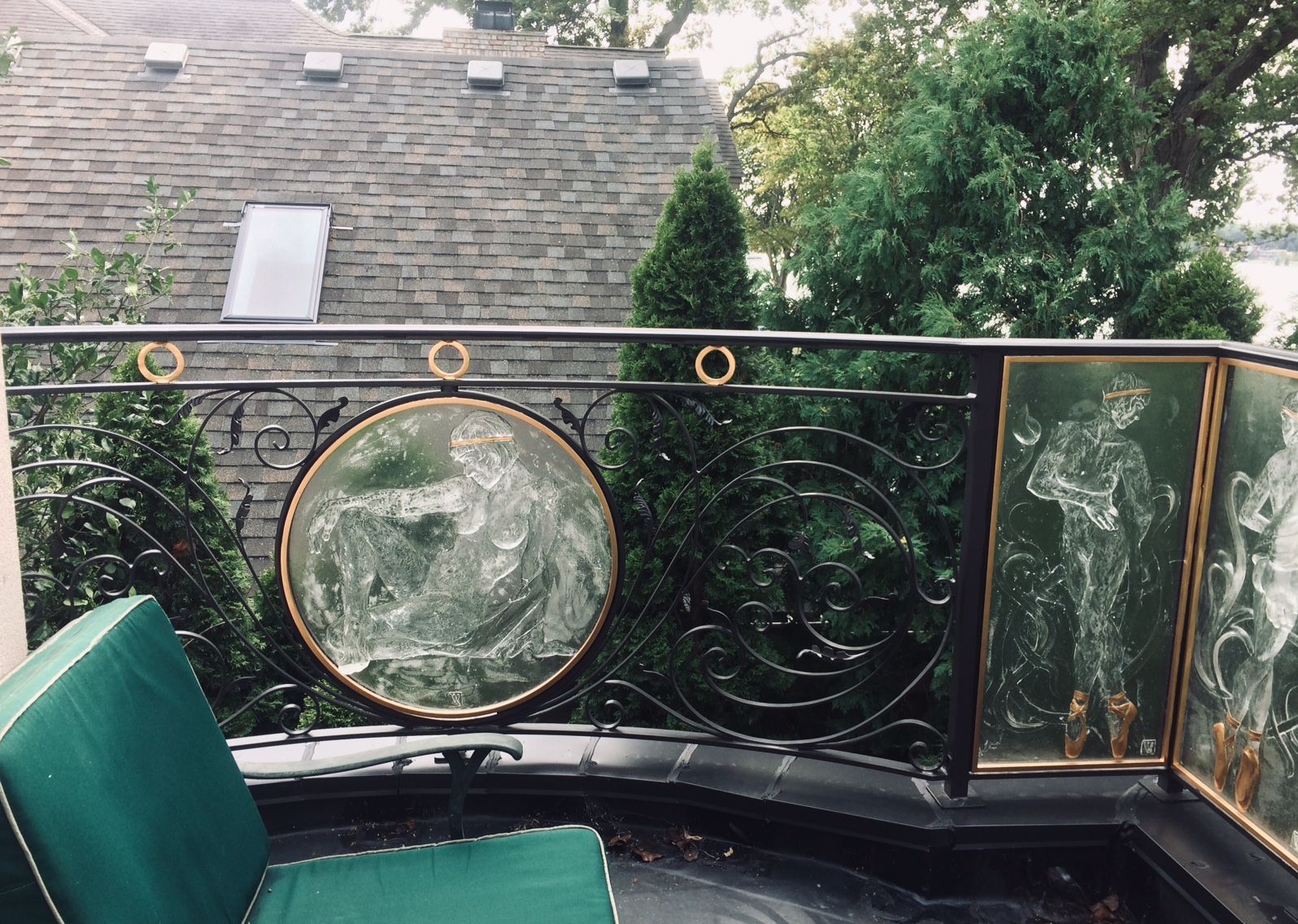
Lighting influences how a sculpture's contours and surfaces are perceived. Natural light may change throughout the day, creating different areas of emphasis and shadow. Artificial lighting can provide another way to experience the artwork, depending on its position and direction.
Because sculpture occupies three-dimensional space, lighting can reveal relationships between forms that are less noticeable under different conditions. The goal is not necessarily to illuminate every surface equally. Instead, it is useful to consider how lighting contributes to the overall viewing experience.
Specific display requirements depend on the individual sculpture and its materials.
Finding the Right Artistic Approach
Original Sculpture or a Custom Interior Commission?
There are two ways to begin exploring sculptural art for an interior. The first is to select an existing artwork. This allows you to respond to a completed sculpture, appreciate its established artistic character, and consider how it might relate to your space.
The second is to discuss a custom commission. A commissioned sculpture begins with an artistic concept and may take account of a particular setting, approximate scale, or intended visual experience. I welcome both types of inquiries.
My artistic practice is guided by Archaic Conceptualism, the philosophy I founded to connect timeless archetypal forms with contemporary ideas. Whether a work is already complete or begins as a commission, its artistic identity remains central to my approach.
Bringing Fine Art Into a Design Project
Collaborating With Interior Designers and Architects
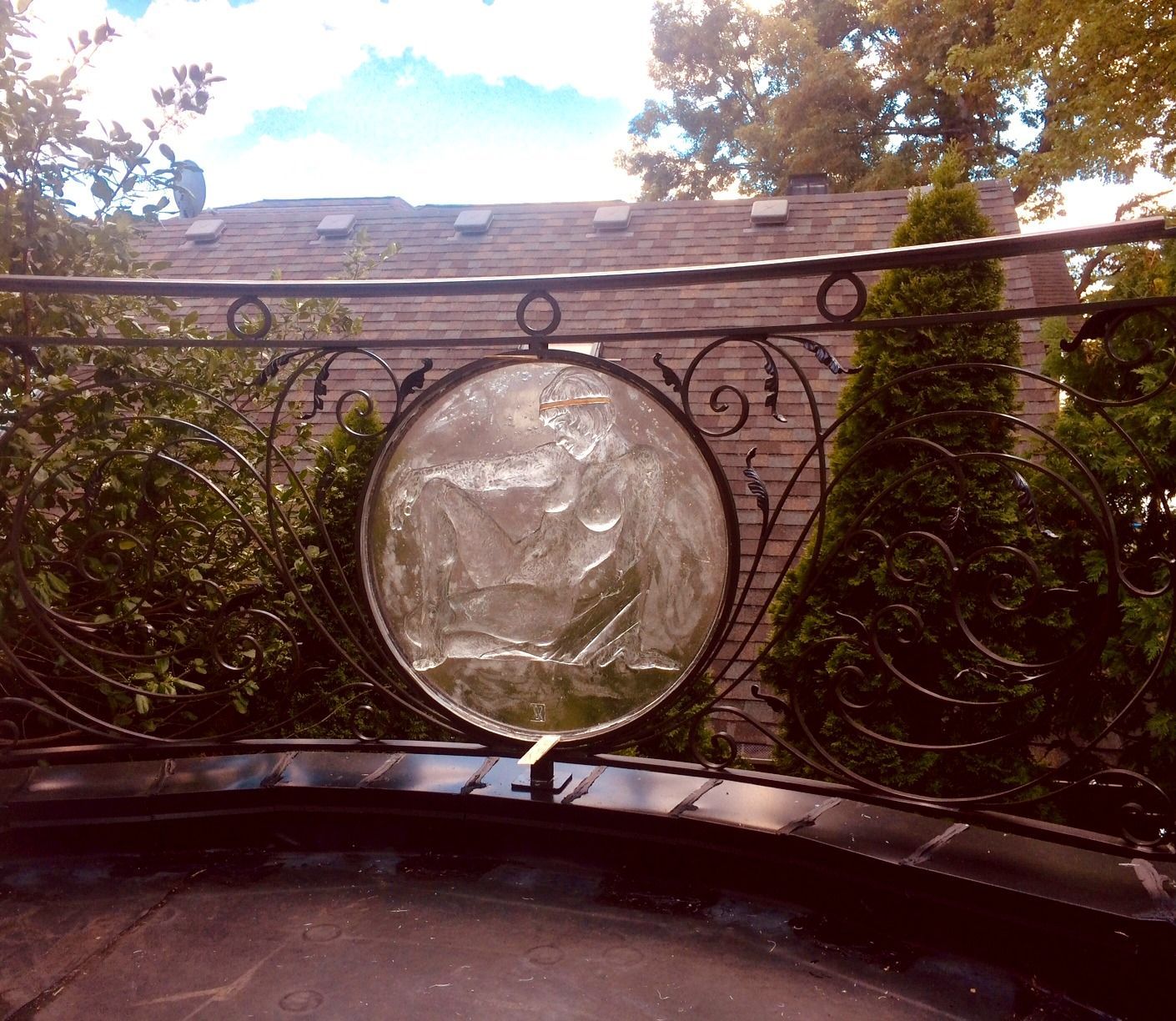
Interior designers and architects often consider artwork as part of a broader spatial concept. Sculpture introduces questions about viewing distance, proportion, placement, and the relationship between artistic form and architectural features.
I welcome conversations with design professionals who want to incorporate original sculptural art into residential or commercial environments. Early discussions can help identify the project's artistic goals and relevant spatial considerations. For commissioned work, the intended setting can inform the creative conversation while allowing the sculpture to retain its independent artistic character.
A custom art commission offers an opportunity to create something personal and distinctive. I work directly with collectors, interior designers, and architects to explore artistic concepts suited to their interests and intended spaces. Every commission begins with a conversation about your vision, creative preferences, and project requirements.
Commission Process & Information
Frequently Asked Questions About Sculptural Art for Interiors
How do I choose sculpture for an interior?
Begin with your response to the artwork. Then consider its dimensions, viewing angles, surrounding space, and relationship with nearby furnishings.
Can contemporary sculpture work in a smaller room?
Yes. Sculptures can be considered for spaces of different sizes. Appropriate proportions and placement are important when evaluating an individual work.
Where should sculpture be placed in a home?
Placement depends on the artwork and the room. Consider visibility, circulation, lighting, and whether the sculpture can be appreciated from its intended viewing positions.
Can I commission sculpture for a particular interior?
Yes. I welcome custom sculpture inquiries involving specific spaces. We can discuss the artistic direction and relevant dimensions during a consultation.
Do you work with interior designers and architects?
Yes. I welcome collaboration with design professionals interested in original contemporary sculpture for residential and commercial projects.
Explore Sculptural Art for Your Interior
Original sculpture can introduce expressive form, visual interest, and a distinctive artistic perspective into an interior. Whether you are considering an existing artwork or exploring a custom commission, I invite you to contact me about your interests.
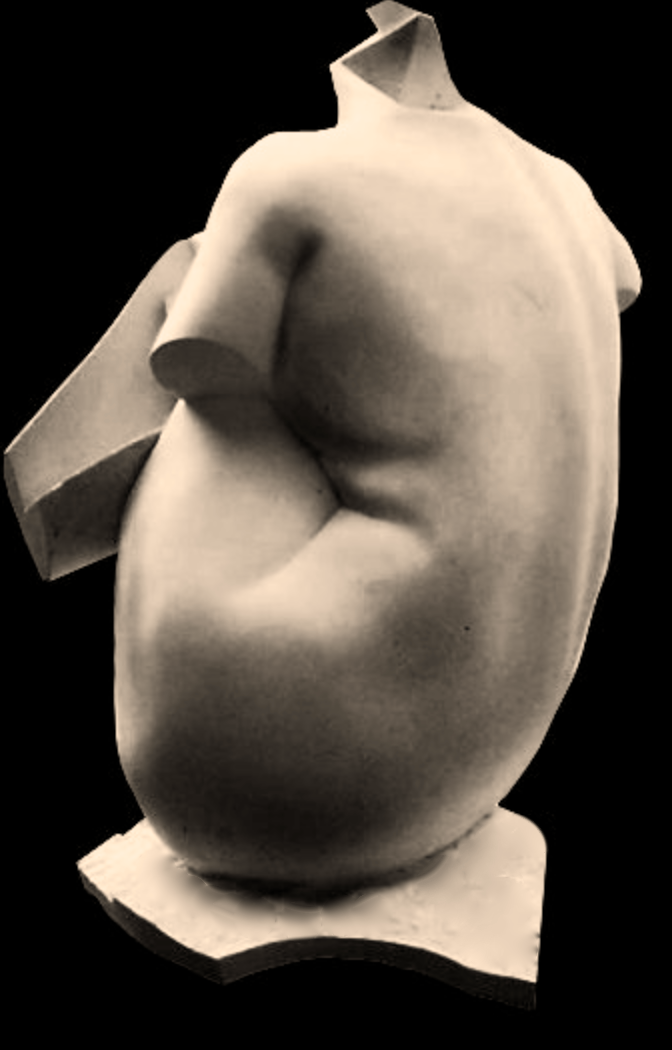
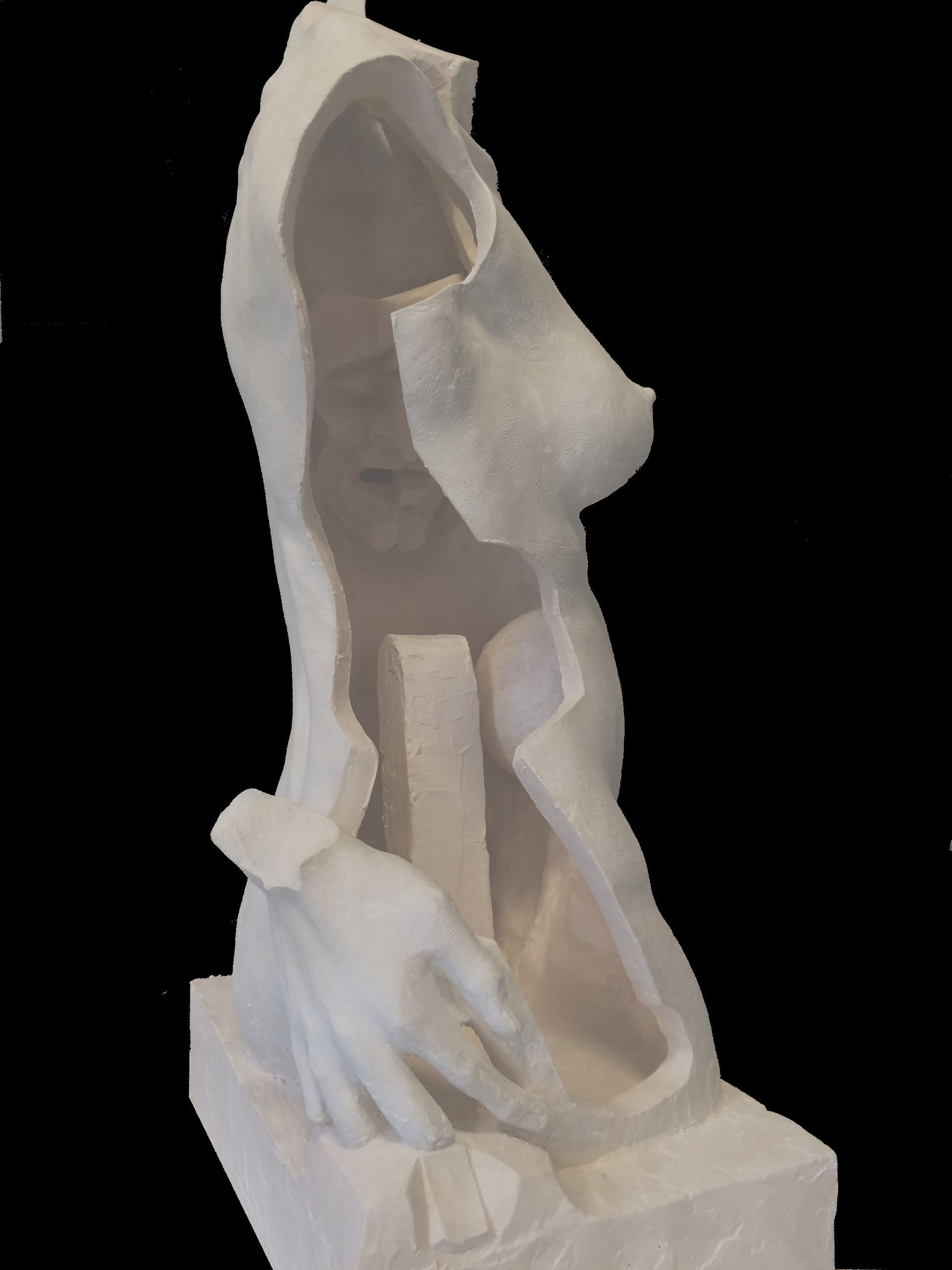
White Torso. Over life size. Cast stone. Private collection, Canada